Deploying Robotic Process Automation to extract invoices, update accounts, and email payment receipts.
Our client, a freight distribution firm in Melbourne, processed over 1,500 supplier invoices monthly. Their billing workflow was manual: staff downloaded PDF invoices from supplier emails, verified pricing against purchase orders, typed invoice details into the accounting database, and emailed receipts. This data entry bottleneck took up to 45 hours weekly, caused payment delays, and had an invoice data error rate of 8%. The logistics coordinators were overwhelmed by the physical volume of raw digital invoices, frequently misrouting payment reviews and losing vendor early-payment discounts.

The main technical challenge was creating a system that could read data from various PDF layout structures, match items with purchase order records, and update the database with zero human intervention. Traditional Optical Character Recognition (OCR) tools often failed when processing low-resolution scans, requiring a custom classification engine to parse table rows dynamically.
Our audit focused on processing speed and document complexity. We found that 72% of supplier invoices shared identical formatting structures but were processed as unique occurrences by the finance team. By introducing an intelligent categorization script, we could handle standard invoices automatically, leaving only complex exceptions for human review. This optimization allowed us to isolate system bottlenecks and improve overall processing times.
Intelli Management built a custom Robotic Process Automation (RPA) workflow using UiPath. We set up an email monitor that downloads PDF invoices, deployed Optical Character Recognition (OCR) tools to extract text, and configured database checks to match items with purchase records. Our engineers configured automated ledger entries and payment email triggers.
We built custom error-handling filters that route invoices with pricing discrepancies to billing staff for review, allowing the robot to process the remaining 92% automatically.
We also delivered structured change management workshops and custom user manuals to ensure the client's billing team could monitor and manage the automation scripts confidently. We built a visual administration board to track automated actions and trace processing logs.
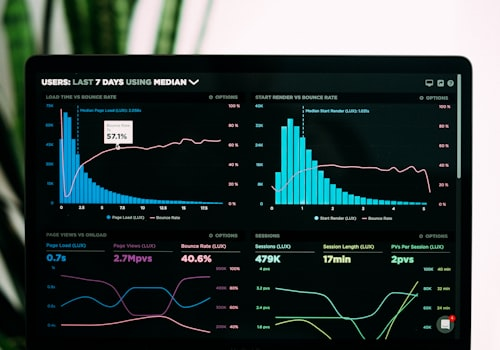
The RPA billing automation successfully streamlined the client's distribution operations. Invoice processing times were reduced by 90%, allowing staff to focus on customer service. Manual data entry was reduced by 35 hours weekly, and invoice data errors were eliminated. Additionally, billing audits that previously took three days were reduced to a 10-minute check of the system's log files.
| Operational Metric | Before Implementation | After Implementation |
|---|---|---|
| Weekly Processing Time | 45 Hours | < 5 Hours (Review Only) |
| Invoice Processing Speed | 12 Minutes / Invoice | < 15 Seconds (Automated) |
| Invoice Data Errors | 8% of invoices | 0% (Automated verification) |
To ensure system stability, we created a monthly testing routine for the OCR layout templates. This routine updates extraction parameters whenever vendors change their PDF layouts, preventing processing disruptions. By automating their billing workflows, the client gained real-time visibility into accounting records, allowing managers to track payments and manage cash flow with confidence.
"Developing our custom API middleware solved our inventory lag. We now have 100% real-time visibility across three Victorian warehouses."

We deployed a secure Node.js REST API layer with Redis cache endpoints to prevent database locks during high-frequency inventory scans.
All endpoints are encrypted using TLS 1.3, requiring OAuth 2.0 bearer tokens and rate limiting to prevent unauthorized scans.
Discuss database modernization, pipeline integrations, or compliance auditing with a lead systems engineer in Melbourne.